“Every few hundred feet the world changes.” – Roberto Bolano
Digital Clouds and the Standard Notebook
Before we had digital clouds, we had the tactile reality of the “student kit.” There’s a quiet ingenuity in the classic pairing of a #2 pencil and a yellow legal pad. It’s the original mobile tech with no charging required, works in low light, and never crashes.
We often talk about high-tech solutions in education, but there is something fundamentally grounding about the “student kit” here. In classrooms, I see the enduring power of paper and pencil. These aren’t just supplies; they are reliable tools of thinking that don’t require a charge or a Wi-Fi connection.
As you know, I am here teaching at a university preparing future STEM teachers. I do that in the US as well, working with both secondary and elementary preservice teachers. Naturally, I’ve begun comparing and contrasting the instructional experiences. My US-based institution isn’t necessarily “state of the art,” but we have ubiquitous Wi-Fi, LCD projectors, and a robust Learning Management System (LMS).
The reality here is a bit different. While there are projectors and faculty-specific Wi-Fi, there isn’t widespread Wi-Fi for student use (yes, you read that correctly). They rely on their own phone data plans. Consequently, they don’t sit in class consumed by laptops. Instead, they are armed with notebooks and pens and I’m talking standard blue or black ink, not the 24-color gel pen packs we often see back home.


One of the most striking differences is note-taking. In the US, students often expect digital handouts or immediate access to PPT presentations via the LMS. Here, over the past five weeks, the students received no physical handouts. I am not sure where a copy machine was, although I am sure they existed. While they had access to the teacher’s PPTs via Google Classroom, they were not absorbed by the technology in front of them. They took notes during the live discussion, conferred with one another to clarify points, and remained in the room.
Interestingly, faculty members often utilize an Ethernet-to-USB adapter for the classroom computers to ensure a stable connection. This is a piece of hardware I honestly hadn’t seen previously. It’s a reminder that while we often focus on “student engagement” through a flurry of digital apps, perhaps we have inadvertently moved away from student agency. When students are asked to take handwritten notes and ask questions to clarify points, they become the true owners of their learning. It makes me reconsider the concept of “efficiency.” We often look for the most technological way to solve a problem, yet everyday life here shows that human ingenuity is the ability to adapt and find a way to carry the load, which can be the most powerful tool we have, especially in situations where technology may not provide the best solution.
The Highway as a High-Speed Lesson
In the U.S., driving is often a solitary, predictable affair. Here, getting from point A to point B is an adrenaline-fueled experience that feels more like a high-stakes roller coaster than a commute. There is a specific “stomach-drop” sensation when a driver navigates a sudden dip or weaves through lanes with a precision that feels both chaotic and choreographed.
It reminds me of the cadence of an old country song, one that narrates a race with a rhythmic, driving intensity. You can almost hear the lyrics describing “horses on the inside, coming up from behind.” It’s a narration of momentum, where the vehicle isn’t just transport; it’s a participant in a grander, social dance of speed and survival.
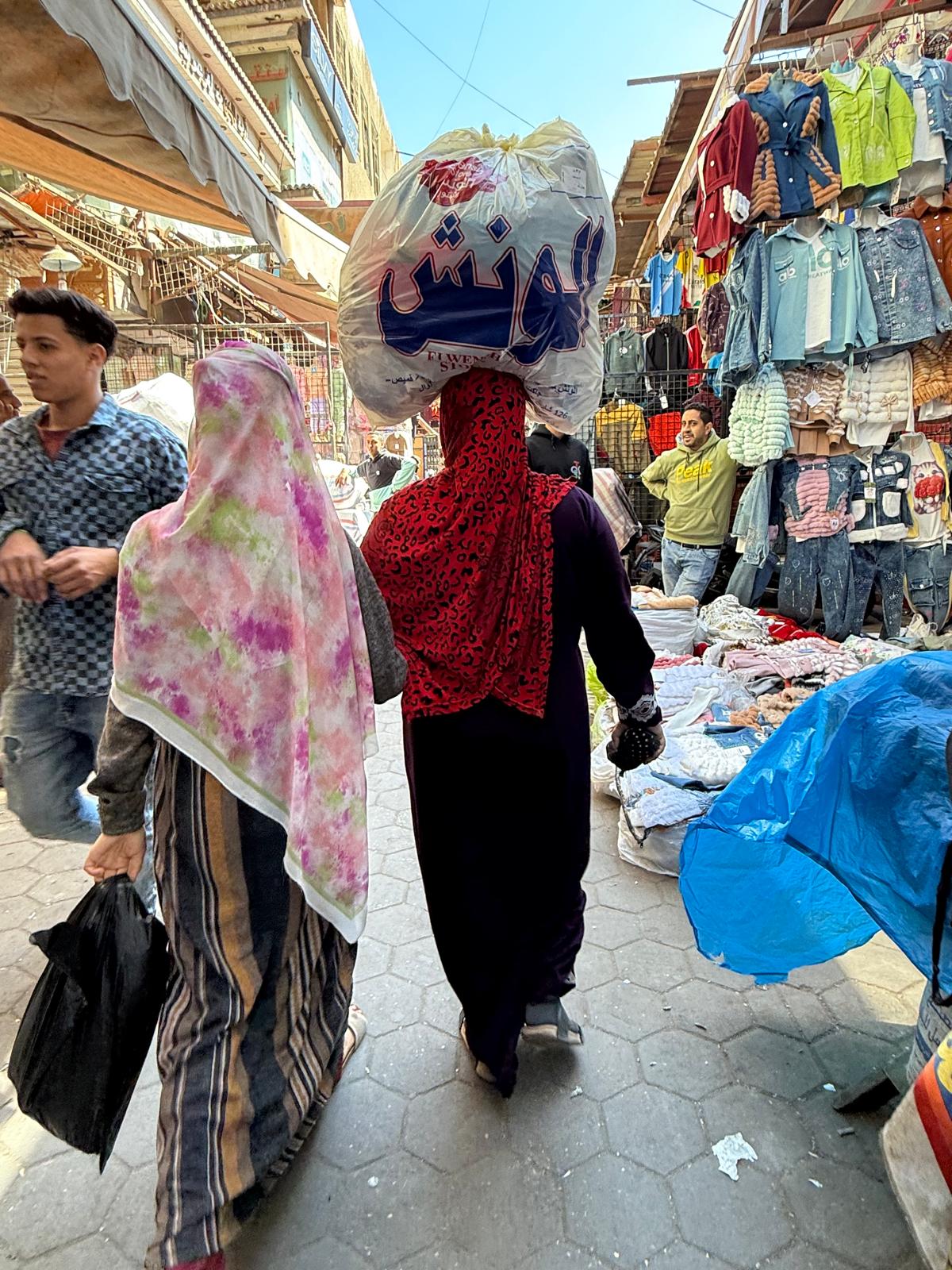
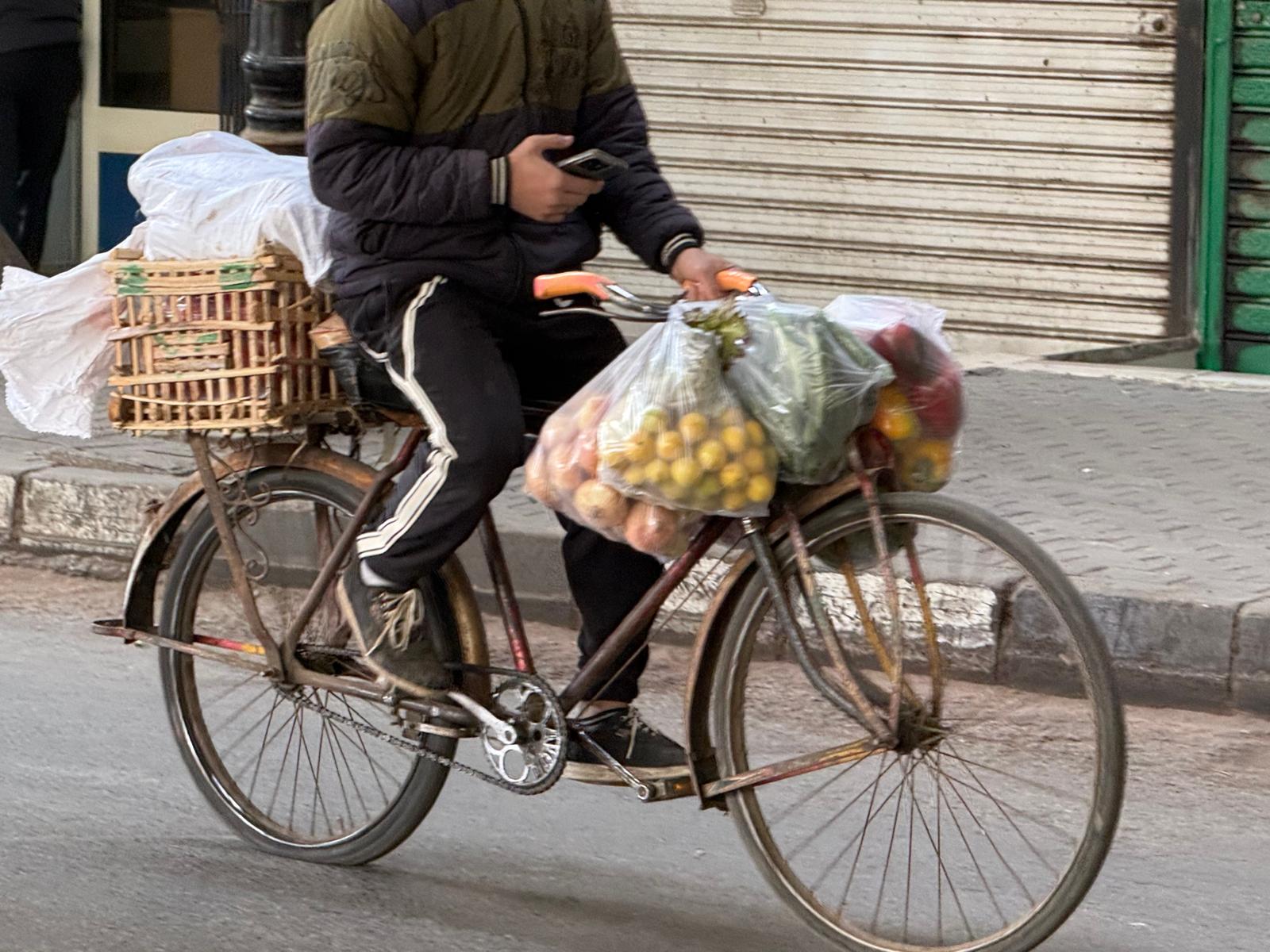
What is even more striking is the sheer ingenuity in how people move things, not just people. Transportation isn’t limited to what fits in a trunk. I’ve watched as goods are moved with a masterful display of physics, items balanced on heads, stacked high on motorbikes, or tucked under an arm in a “one-trip” display of determination.



Ingenuity in All Aspects of Life
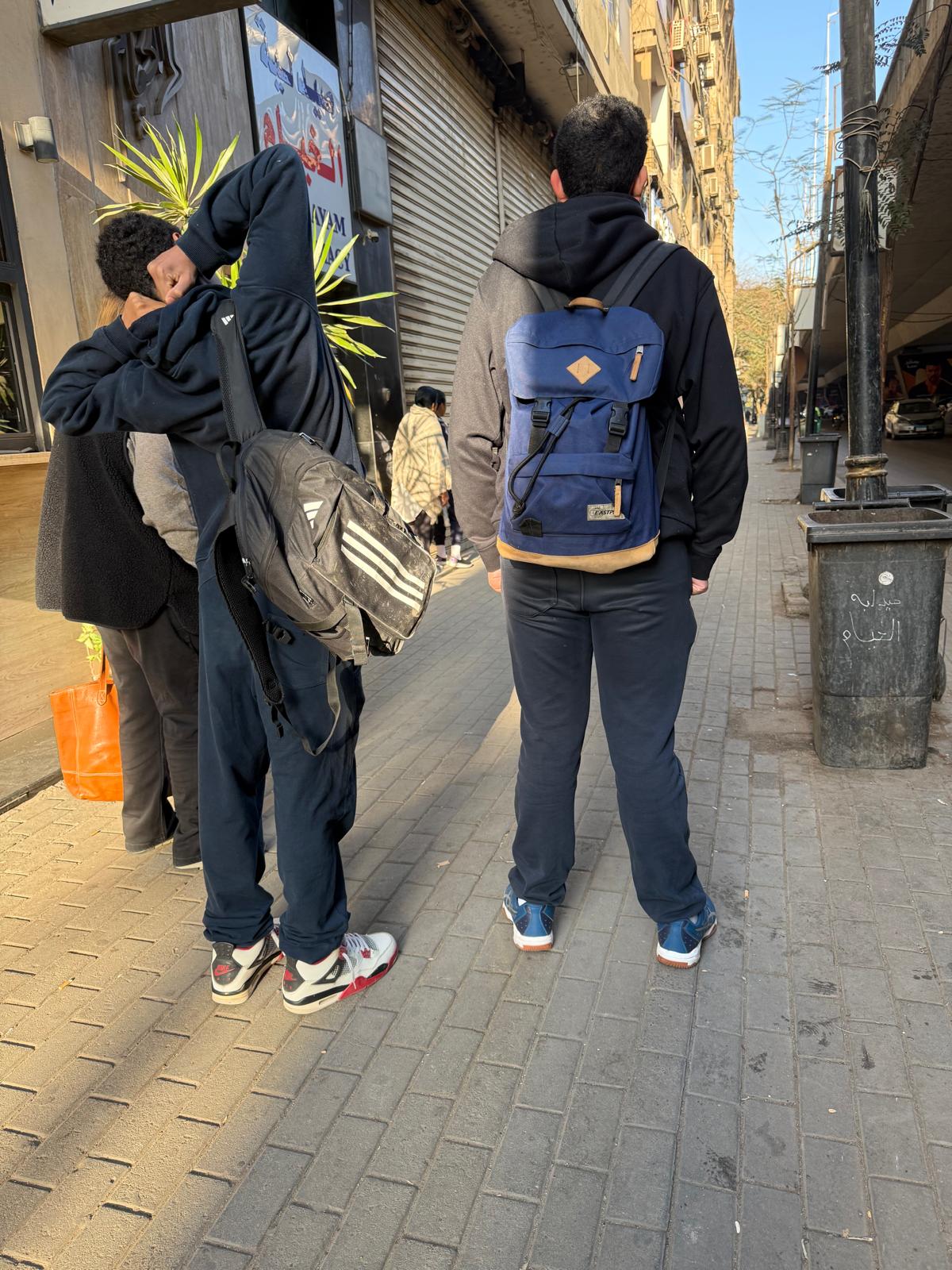
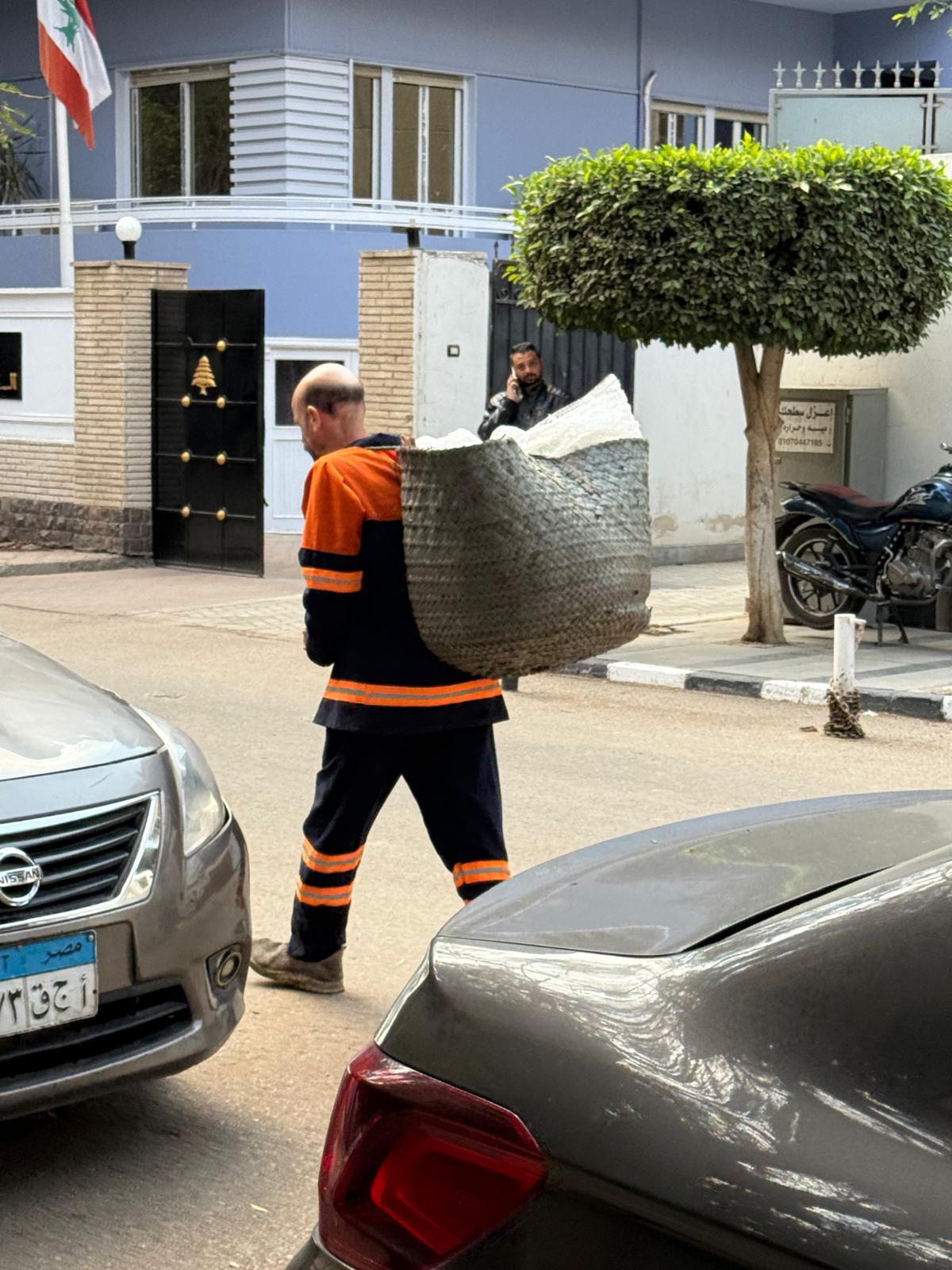
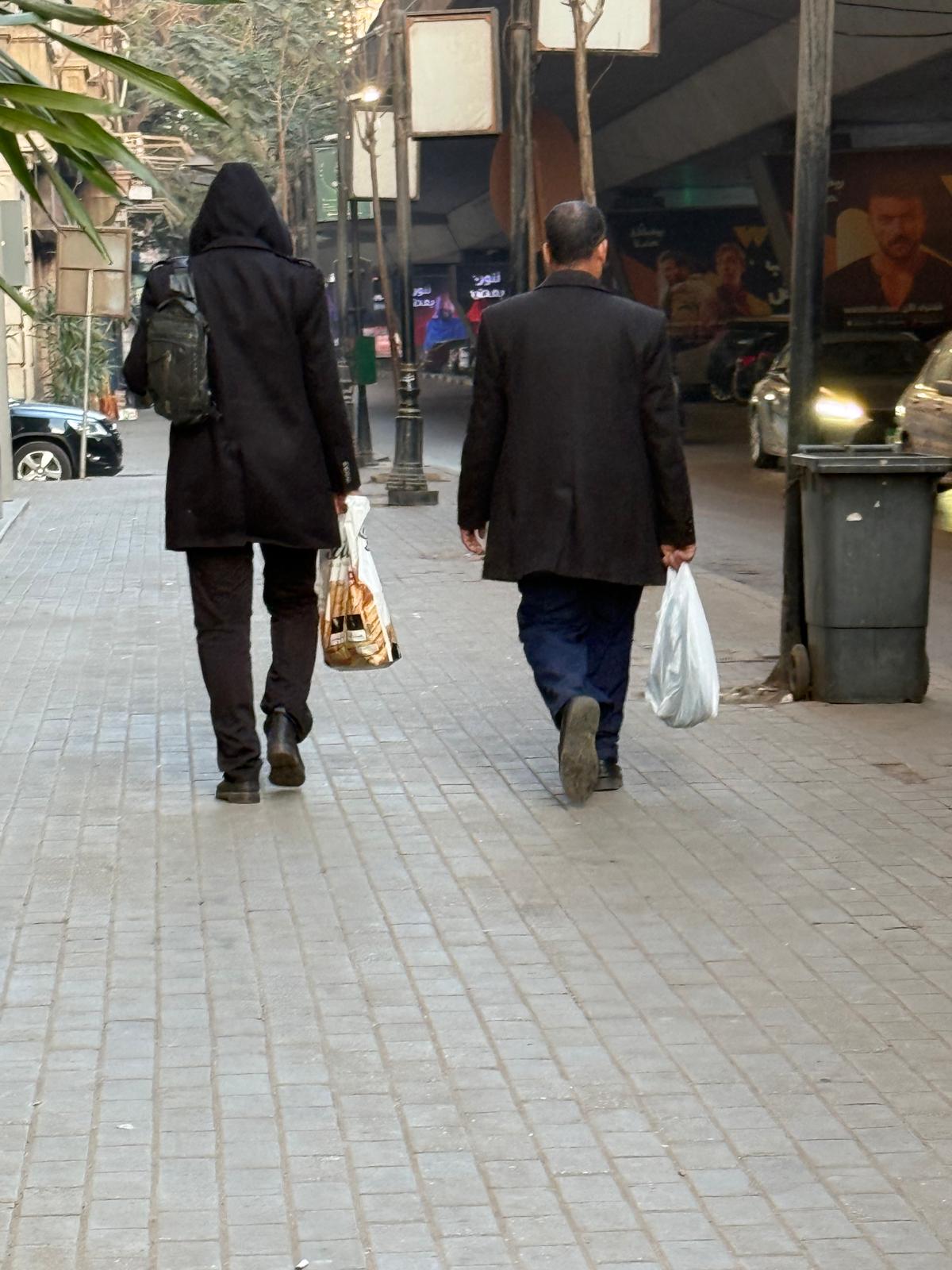
I’ve mentioned ordering from Amazon previously, but I also frequent the local markets for fruit and staples. This requires me to carefully consider what I need and then carry it back to my flat. As I walked with my bags, I noticed the myriad of ways others carry their lives. When you really start observing, you notice the genius in how the city moves:
- The Hip Carry: The universal “parent move” for everything from toddlers to laundry baskets.
- The Balanced Head-Carry: An ancient, masterful display of physics and posture.
- The “One Trip” Hero: That stubborn determination to carry fifteen grocery bags on two arms rather than walk back to the car.
- The Shoulder Basket: Used expertly for lighter, bulkier items like collected cardboard.
- The Balanced Load: Where the weight was either shared between two people or a single person carrying two bags, one on each side.
Human ingenuity isn’t just about building rockets; it’s about the way a student tucks a pencil behind their ear or how a commuter manages to carry a briefcase, a grocery bag, and a lukewarm latte without breaking a sweat.

The Thesis Defense: Where Dreams Meet Margins
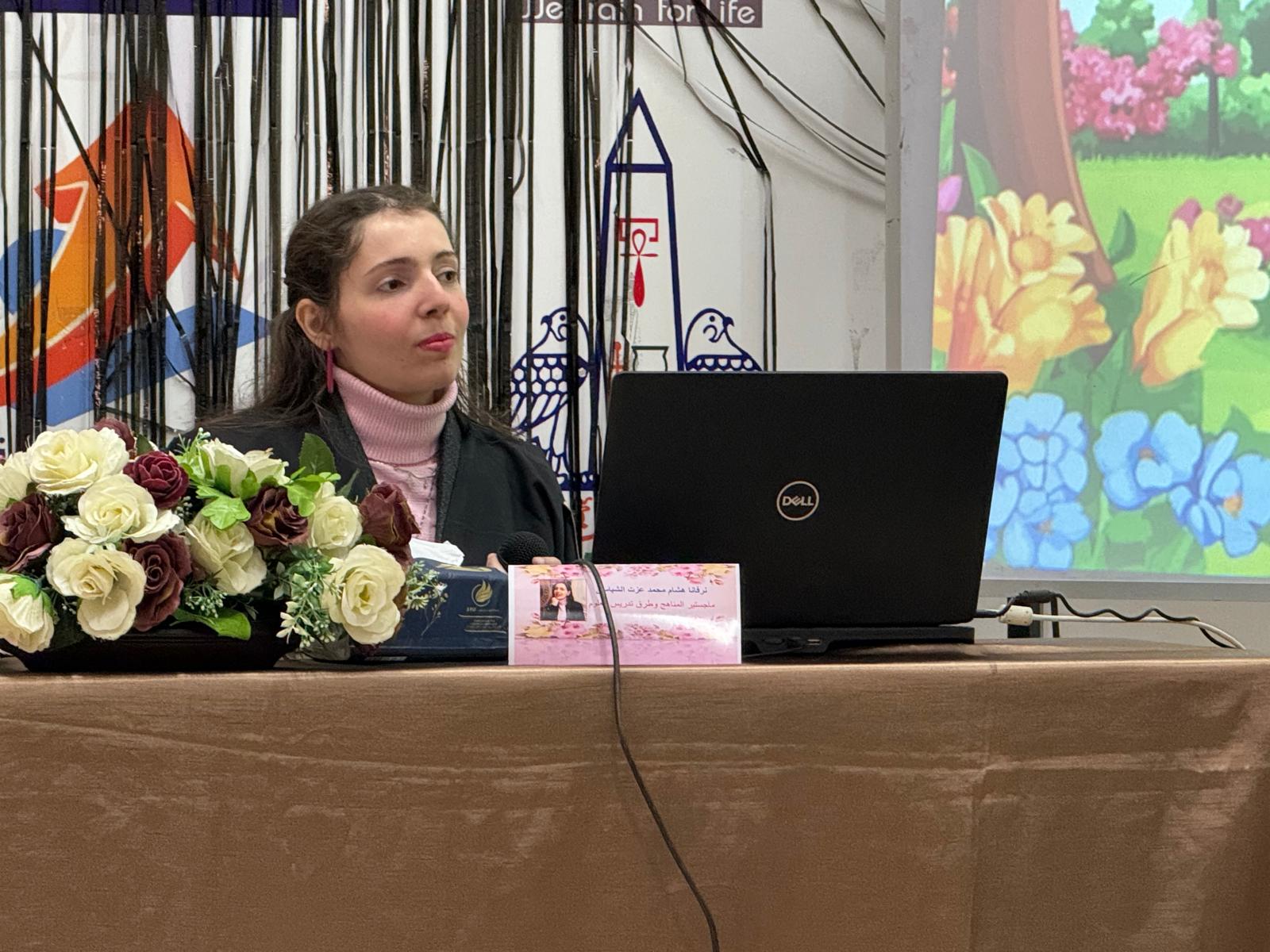
I was recently honored to be invited to a Master’s Thesis Defense. In the US, many programs have moved away from the traditional thesis, which is a shift I have many thoughts on for later. Here, it remains a vital capstone. This defense consisted of the candidate and four evaluators: two from the local university and two external reviewers.
Let me say this: this defense rivaled my doctoral dissertation defense, lasting over two hours. The candidate was nervous but did an amazing job. Though it was conducted in Arabic, I could follow the trajectory thanks to a colleague’s translation. You might think a defense is only about “big ideas,” but it was also about the granular details of APA formatting. As someone who is a stickler for the basics of APA, I felt a sudden, deep connection with these reviewers.


While they discussed statistical tests and how groups were determined, they also spent significant time on:
- Tense and structure: Ensuring the academic voice was consistent.
- Citation Clarity: Requiring citations within the paragraph, not just at the end.
- The “Hanging Indent”: One reviewer even counted words in a direct quote to ensure it met the threshold for block formatting.
It is a strange juxtaposition: outside, the world moves with a “figure it out as you go” brilliance, but inside the university, we still demand that knowledge be anchored in the specific, standardized language of the academy.
The Race is On
Whether it’s the human race, the race to complete a thesis, or the race to finish your notes before the PPT slide changes, “the race is on.” Back in the late 80s, Sawyer Brown recorded a song by that title. The lyrics use a frantic horse race as a metaphor for a heartbreak: “The race is on and here comes pride up the backstretch… My true love is scratchin’ out another big lead.”
While not about heartbreak here, the song is a perfect backdrop for life in this city. Every notebook, every motorbike, and every citation is vying for a position in a high-stakes, high-speed environment.
Lessons Learned and Conclusions
Reflecting on these experiences, I’ve come to several realizations about the intersection of culture, education, and grit:
- Navigation is a Cultural Skill: What looks like chaos from the outside, whether on the highway or in a classroom without a digital safety net is actually a highly coordinated system. It relies on unspoken agreements and a level of social intuition that we often overlook in “organized” Western settings.
- Agency Over Automation: The lack of constant Wi-Fi has forced a return to student agency. When students can’t “click and download” the learning, they have to “build” it through handwritten notes and peer collaboration. It makes me wonder whether our high-tech classrooms in the US sometimes make the path too smooth, removing the “productive struggle” necessary for deep learning. (And I am definitely in the tech advocacy group if used wisely).
- The Physics of Resilience: Watching someone balance a week’s worth of goods on a motorbike or a student defend a 200-page thesis in a second language reminds me that resilience is a muscle. In the US, we talk about “grit” as a buzzword; here, I see it as a daily requirement for movement.
- The Standardized Anchor: No matter how fast the world moves or how much we adapt, there is still value in the “expected forms.” The rigor of the thesis defense shows that even in a world of “figuring it out,” we need standardized ways to communicate our truths so they can be understood across borders.
Closing Thoughts
Whether it’s navigating a four-lane highway that feels like a carnival ride or defending a thesis down to the last semicolon, we are all just trying to move forward.
I am beginning to see that the “preparedness” of a student isn’t just about what is in their backpack. It’s about the journey they took to get to the seat including the commutes, the heavy lifting, and the mental shift from the rush of the street to the quiet rigor of a citation.
Sometimes, the most important part of the lesson isn’t the content; it’s the resilience required to show up.
 Learning, Lessons, and Living