“The only source of knowledge is experience.” — Albert Einstein
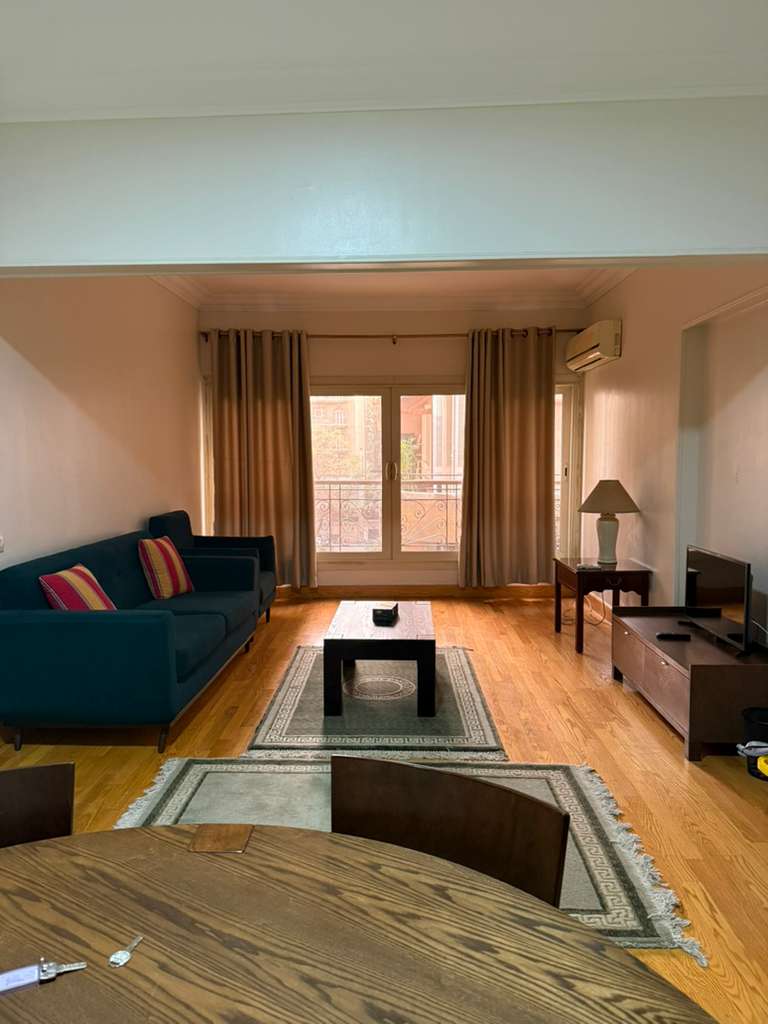
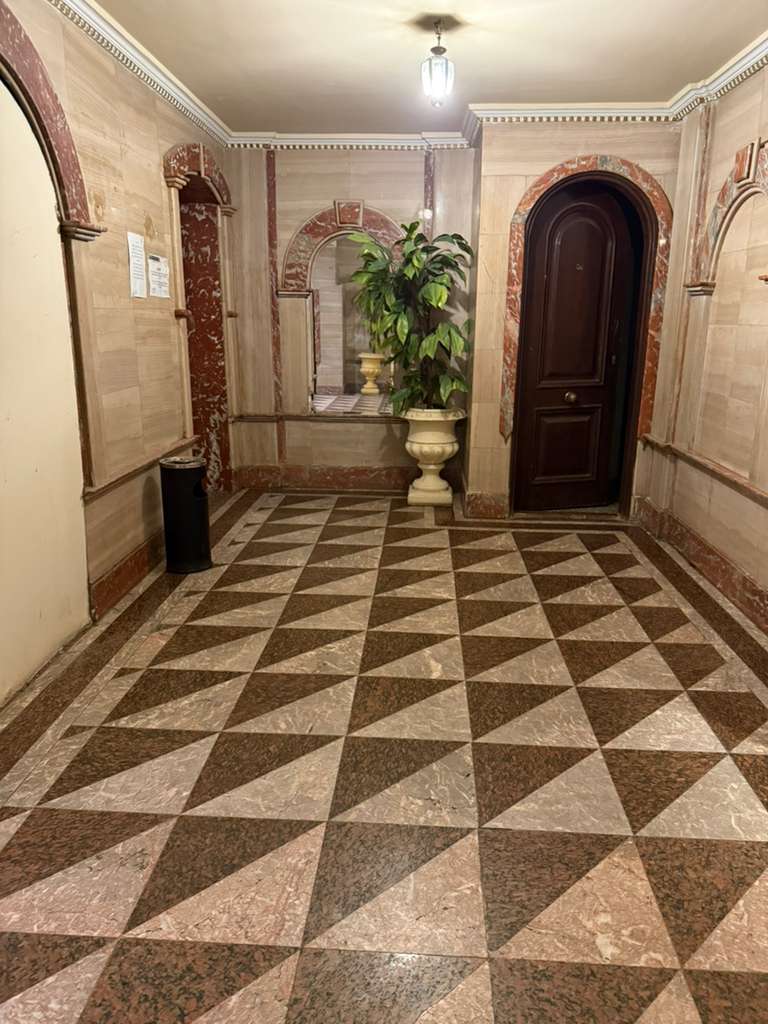
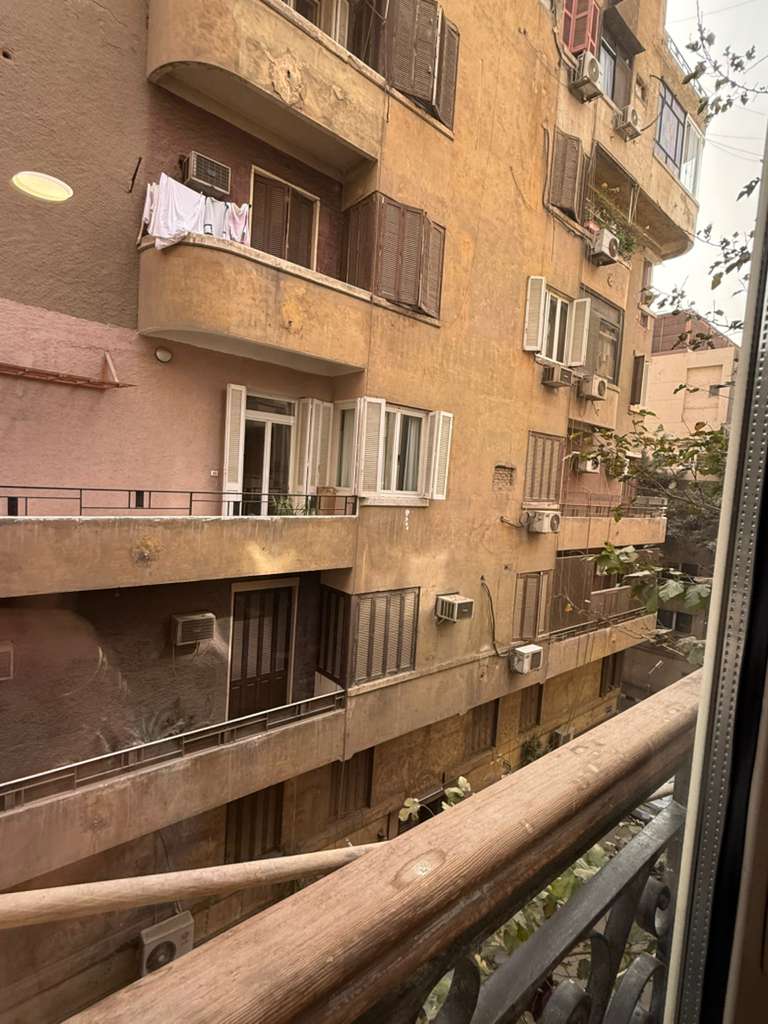
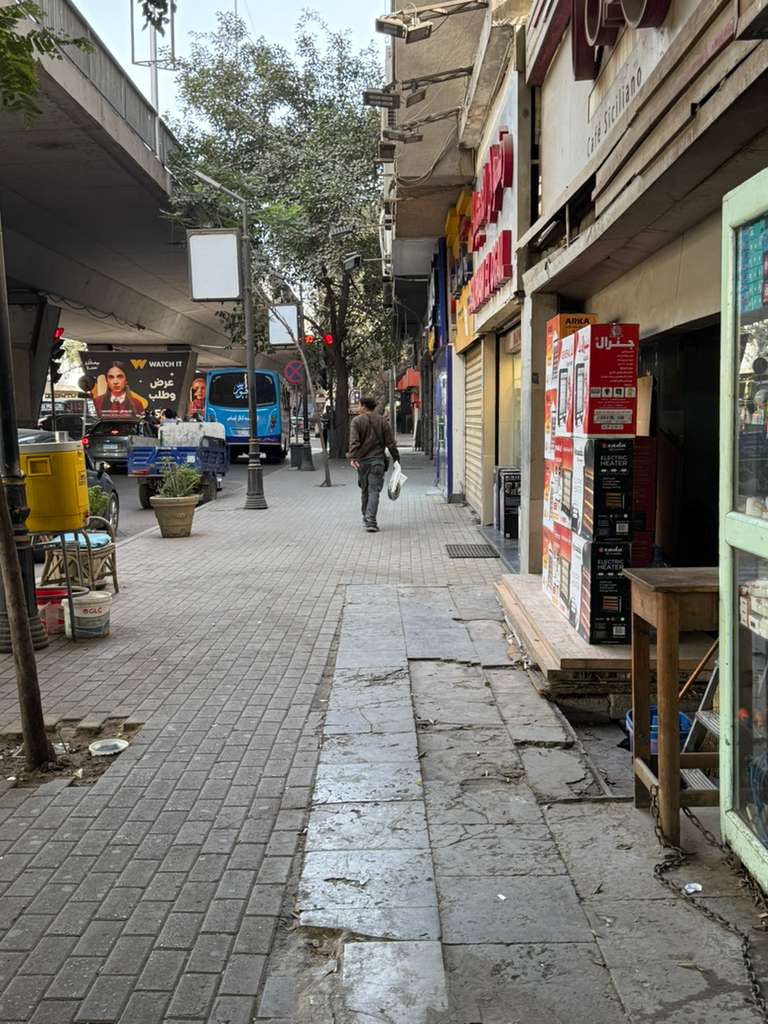
The living room. The flat is rather large.Entry way to the building – an old building that has been renovated.Looking at buildings from my second floor flat.Walking along the street.Shopping at Carrefour.Mastering Amazon!!While taking an Uber, you see all sorts of ways that food and goods are transported.At the University.Ready for my first day of school.
February 8, 2026 – One week into my Fulbright residency, I’ve realized that “settling in” isn’t a passive process, but rather it’s an active, sensory negotiation with a city that never sleeps, never stops, and never ceases to surprise. Transitioning from my customary life in a rural area of Pennsylvania to the beautiful, energetic (and at times chaotic) Egypt has been a whirlwind of administrative tasks, a few culinary discoveries, and a complete recalibration of my internal clock (though that happened rather quickly, with no jet lag).
As this semester unfolds, I’m looking forward to sharing the highs, the lows, and the “Inshallah” moments of this journey. To be honest, there will likely be far more photos than I could ever upload, more stories than I could possibly type out, and a million tiny specifics that get lost in the shuffle of daily life. While I can’t capture every street-side tea or academic breakthrough, I’ll use this blog to distill those experiences into a glimpse of what it truly means to live and learn in the heart of Egypt.
Domestic Logistics: Ikea and the Amazon Puzzle
Even a Fulbright scholar needs a desk lamp and a dish rack. The actual program does an amazing job of locating apartments that we are assigned and putting almost everything you need in those apartments. However, there are those few things – like a can opener that are needed. While I walked around the streets, I took the easier way out on this quest and headed to Ikea. In many ways, walking into Ikea felt like stepping into a portal back to the States since the blue and yellow walls, the meatballs (though here they are halal), and the familiar Swedish names for bookcases are the same. However, the journey there and back was pure Egypt. Learning to utilize Uber, figuring out addresses, and doing quick conversions of monetary donations were required.
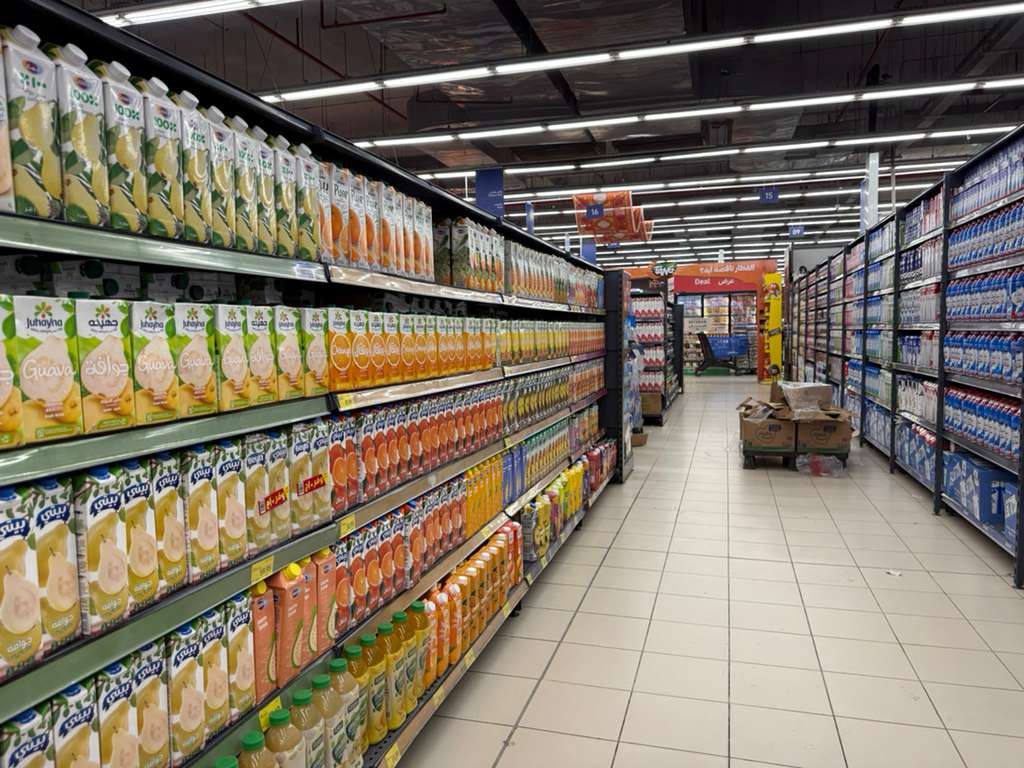
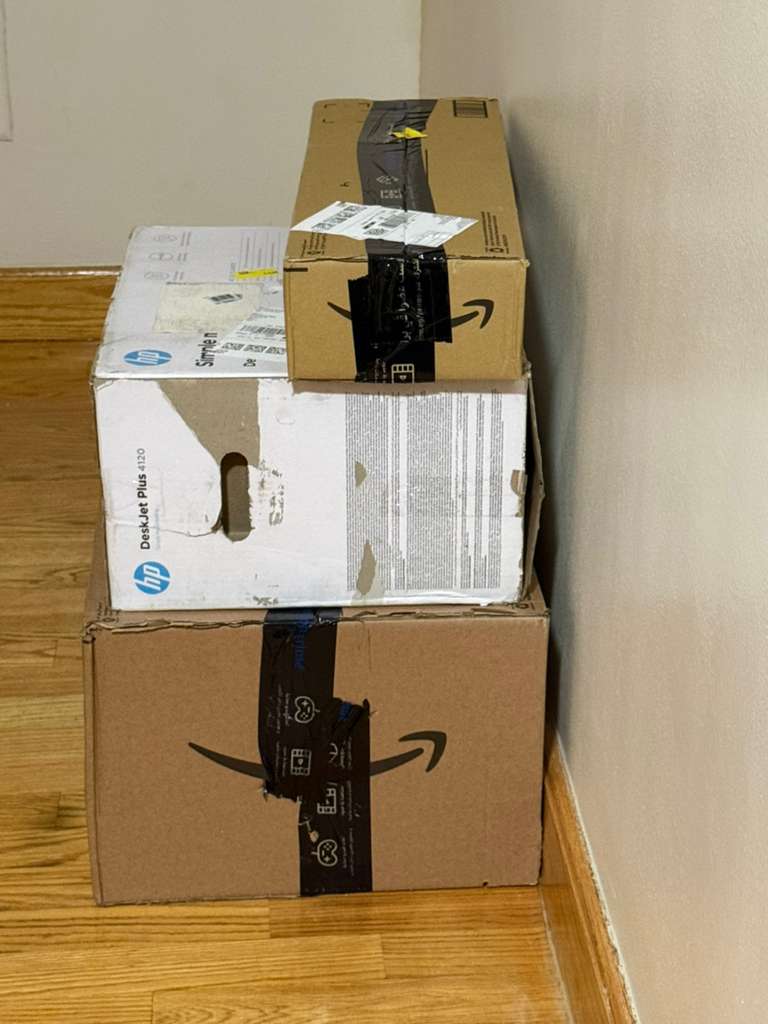
What wasn’t found at Amazon and would not perhaps be required but desired were things like a printer (I am old school and still like to proof things on paper). I also took the opportunity to hit the grocery store while there (Carrefour) which had a comfort level from my time in Qatar. I was able to purchase some basic food items to allow me to cook at the flat and not simply look to order out. This took me to the next shopping challenge of Amazon.eg. In the States, we are spoiled by one-click ordering and “Prime” delivery that arrives before you even finish the checkout. Here, the logistics are a bit more, shall we say, technologically collaborative. First, do not try to use Amazon on the existing phone (use the new one – more on that next). Second, ensure the Egyptian address is correct. Third, determine if the desired item is the right plug or voltage type for use in Egypt. Once ordered, the easy part was done, the credit card was charged, and the app was watched. What does “delivery” look like here (in an apartment). While no one called asking me the color of my balcony (there are rumors to that I’ve heard about), patience and relative time take effect. Your package is out for delivery – could be today, tomorrow, or a few days from now.
The Digital Milestone: Getting an Egyptian Phone
One of the most useful steps was finally securing a phone number in Egypt. I have an iPhone and the Fulbright people asked us to ensure we have an Egyptian number for contact. They asked for a physical SIM card, which meant a new phone. Many thanks to the assistance of their one manager who helped at the Vodafone store in getting a new phone. This required me to not only attempt to understand the Arabic language but also transition in part to Android setups on a phone. Have phone, will WhatsApp. While both phones are working here, largely thanks to my Verizon Travel Pass (which makes it easier for my mother to contact me and for me to contact her), there is now a new device to charge, check, and use.
A Lesson in Resilience: The Blood Test
Not everything has been as easy as the shopping trip. As part of my residency requirements, I had to undergo a routine blood test. The normal thing to expect – except I have very bad veins. I had even asked my tutor how to say “vein here” ahead of time. The technicians were very nice and wonderfully professional- however as expected – after the second attempt in a second location – she called for another technician saying “mushkilla” which means “problem” and I quickly agreed – Aywa, Ana mushkilla. At that point the dawning moment of she knows at least SOME Arabic occurred. Ultimately, we all laughed about the situation, they got their blood, and I got my three Band-Aids.
The Rhythms of the Street
Coming from the rural U.S., where traffic is minimal and Amish buggies are the things that largely create a traffic situation, the commute is a revelation in fluid dynamics. Here, lanes are merely suggestions, and the horn is a sophisticated language of its own be it a polite “I’m here,” a frantic “watch out,” and a rhythmic “hello” all rolled into one. The analogy of it being a language is attributed to a colleague who here in December-January. Crossing the street for the first time felt like a high-stakes game of “Frogger,” but by day four, I learned the secret: eye contact and a steady pace. If you hesitate, the system breaks. You have to move with the current. Oh, that and my faulty liaison made sure I was not run over by graciously holding my hand every time we crossed a street near the university.
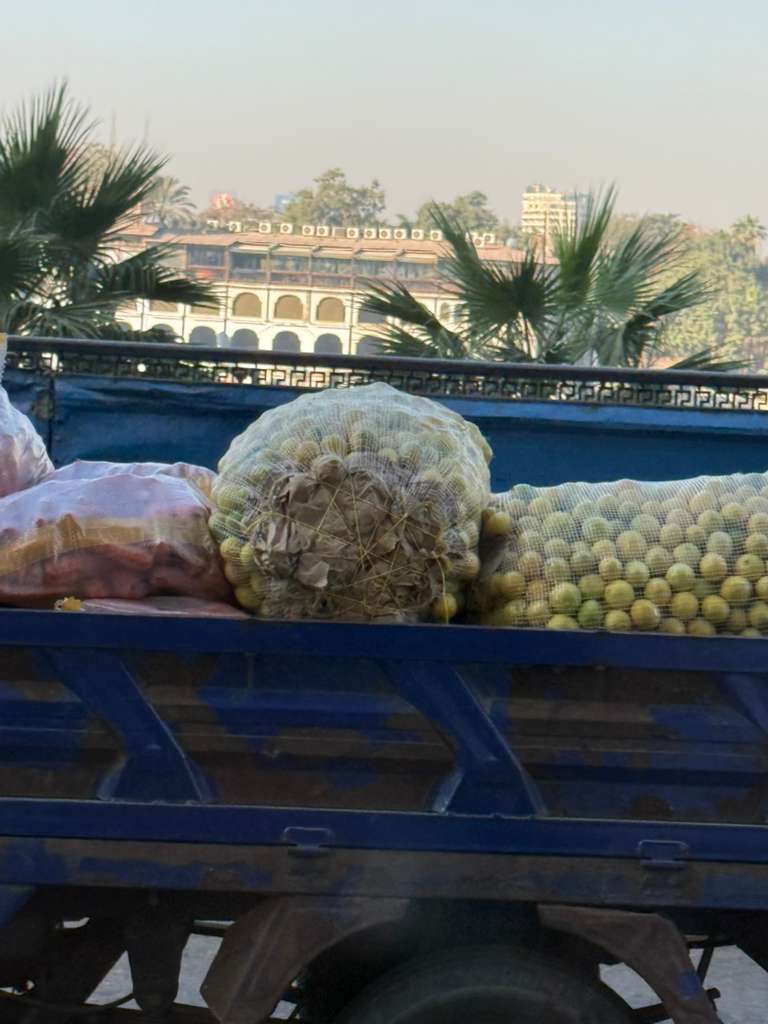
Beyond the traffic, the environment is a constant juxtaposition between the ancient and the hyper-modern. I might pass a donkey-drawn cart laden with fresh fruit just in front of a renovated or modern building.
Campus Life and the “Inshallah” Factor
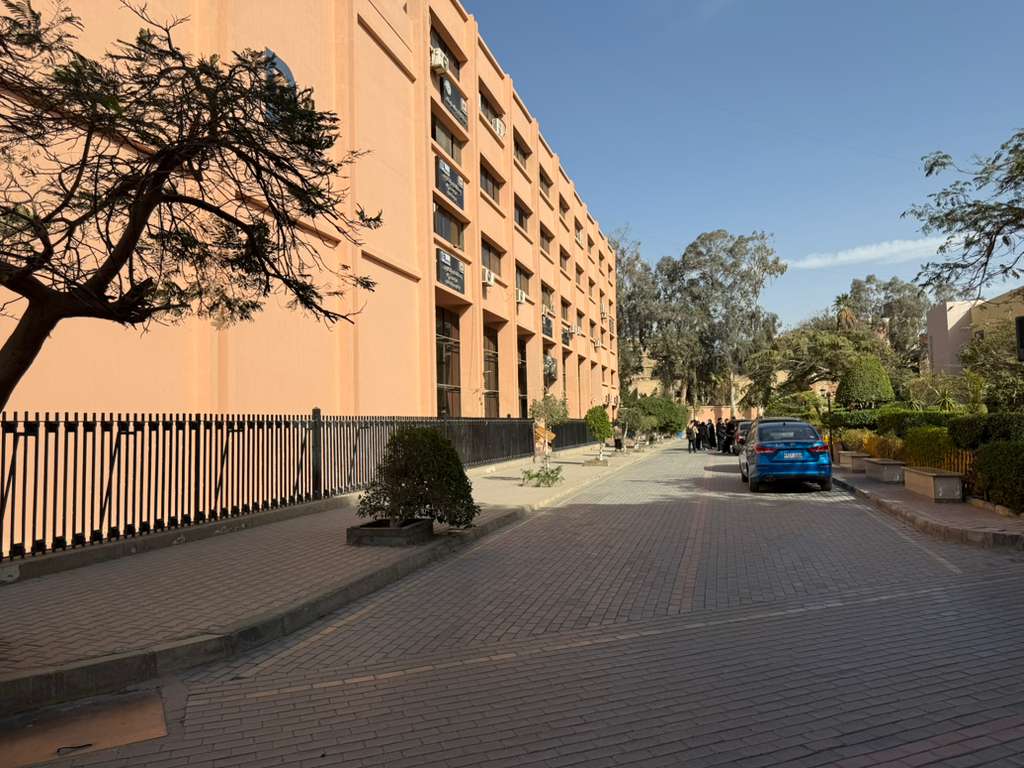
Stepping onto the university campus for the first time was a highlight of the week. In some ways, it is very similar to our campuses with classroom buildings and sitting areas. Students congregate in large, animated groups, and the air is filled with the sounds of various Arabic conversations.
My first round of meetings with faculty has been a refresher in the importance of relationships and hospitality. In the U.S., a meeting starts at 9:00 AM and ends with an itemized list of “deliverables.” In Egypt, the relationship comes before the agenda. Every meeting begins with a warm welcome, a comfortable chair, and the inevitable offer of something to drink.
While jet lag wasn’t a problem and I tend to be a “be early type of person”, there is sometimes a dizzying flexibility to time here. Students were expected to be on time for class, however, general expectations for starting times seem more flexible. The phrase Inshallah (God willing) governs the calendar. It isn’t an excuse for delay; it’s an acknowledgement that life is unpredictable (likely due to the aforementioned traffic). My colleagues are incredibly gracious and have been exceedingly helpful as I found my way to classes on day one.
Reflections at Day Seven
As I close out my first seven days, I’m realizing that my Fulbright isn’t just about the lessons I’ll teach. It’s about unlearning the rigid American “efficiency” and embracing the beautiful, chaotic, and deeply communal flow of Egyptian life. Egypt doesn’t ask you to fit in; it invites you to join what is happening around you.
 Learning, Lessons, and Living